
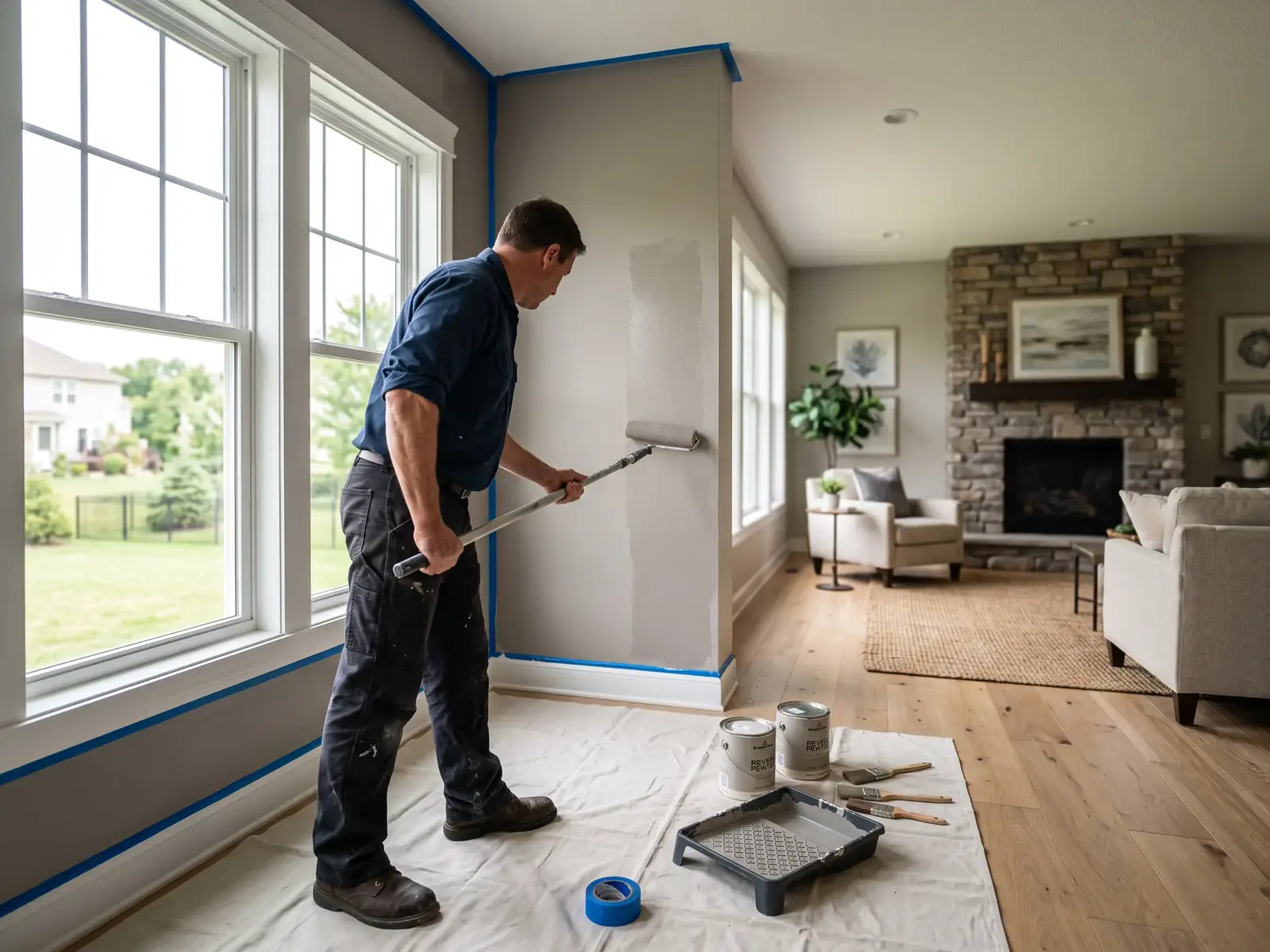
Quick answer: Preparation is not just moving furniture. It is agreeing on access, what stays protected, where materials go, how the work area is separated, and who answers questions when the plan changes.
Make a room-by-room access plan
Identify parking, entry doors, work zones, bathrooms, pets, children, valuables, and areas that must remain usable. Share constraints before work begins.
Clarify protection and cleanup
Ask how floors, furniture, adjacent rooms, and outdoor paths will be protected. Confirm the end-of-day expectation and where debris is placed.
Related service: Interior painting.
Plan for interruptions
If power, water, appliances, a bathroom, or a main route through the home will be affected, ask when and for how long.
Keep decisions documented
Choose one place for selections, approvals, photos, and change requests. A short written note beats a remembered hallway conversation.
Before you move forward
Keep the scope, selections, approvals, and any project changes in writing. If a claim about availability, licensing, insurance, price, timing, or warranty matters to your decision, request it directly and retain the documentation.